
Mental Health & the Autonomic Nervous System Connection
Not responding to antidepressants?
That may not be resistance — it may be misidentification.

1 IN 3 PATIENTS
diagnosed with depression don’t achieve adequate results with standard therapy.
A growing body of research suggests some patients may have underlying physiological drivers that standard approaches don’t address.
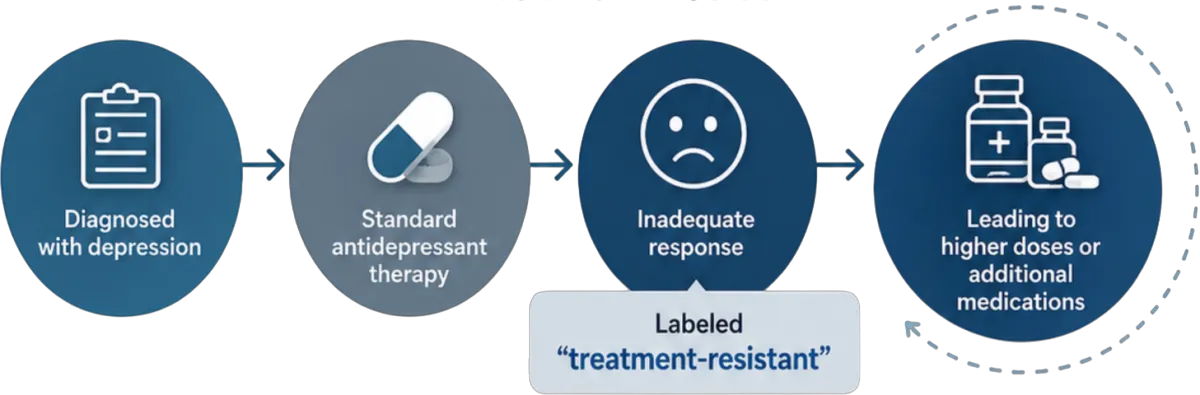
They’re often labeled “treatment-resistant”… leading to higher doses or additional medications.
Not responding to antidepressants?
That may not be resistance — it may be misidentification.
1 IN 3 PATIENTS
diagnosed with depression don’t achieve adequate results with standard therapy.
A growing body of research suggests some patients may have underlying physiological drivers that standard approaches don’t address.
They’re often labeled “treatment-resistant”… leading to higher doses or additional medications.

Measuring symptoms may not be enough... The Autonomic Nervous System is an underlying system that provides more information when measured.




Introducing a Systems-Based Approach
Physio PS provides tools designed to objectively assess autonomic nervous system function in clinical settings.
This Autonomic Nervous System data allows providers to:
Identify physiological drivers behind behavioral symptoms
Differentiate psychiatric conditions from system dysregulation
Make more informed, patient-specific decisions
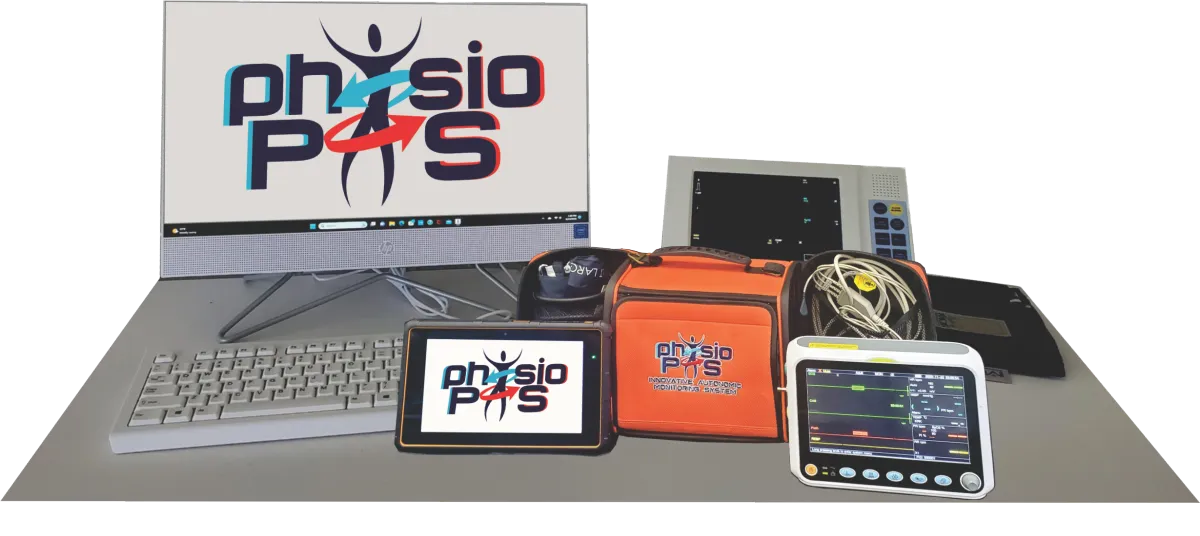
We currently offer three system configurations for administering ANS function testing.
Solutions Simplified For All
Clinical Monitoring Unit
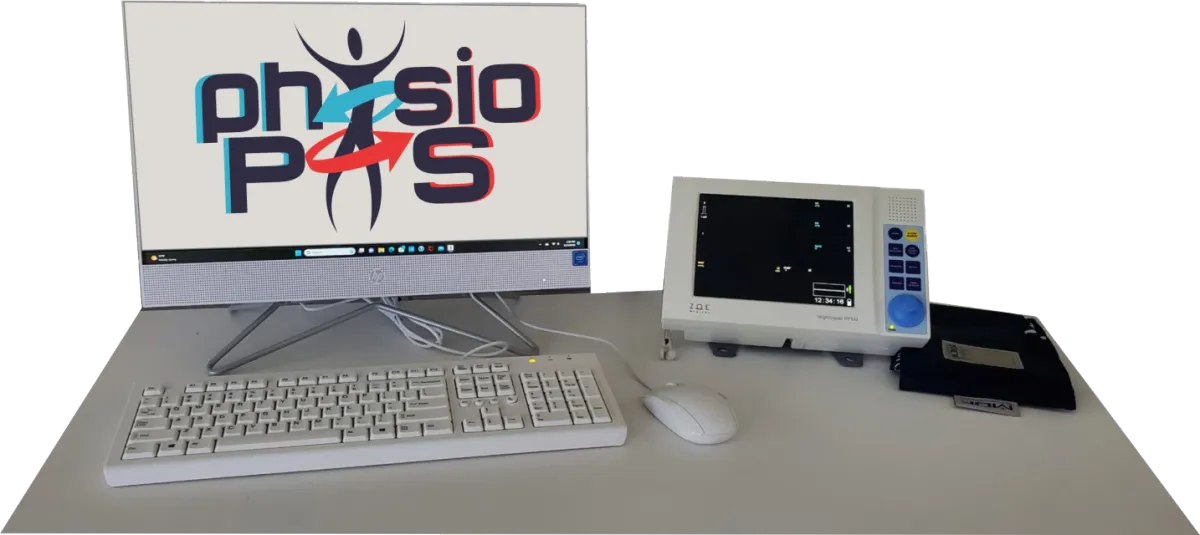
The perfect addition to any clinic
Offer your patients greater insight
Enhance preventive health measures
Physio PS increases revenue
Many purchase options
FDA 510(k) Cleared
Supported by fundable billing codes
Research options available
Remote Monitoring Unit
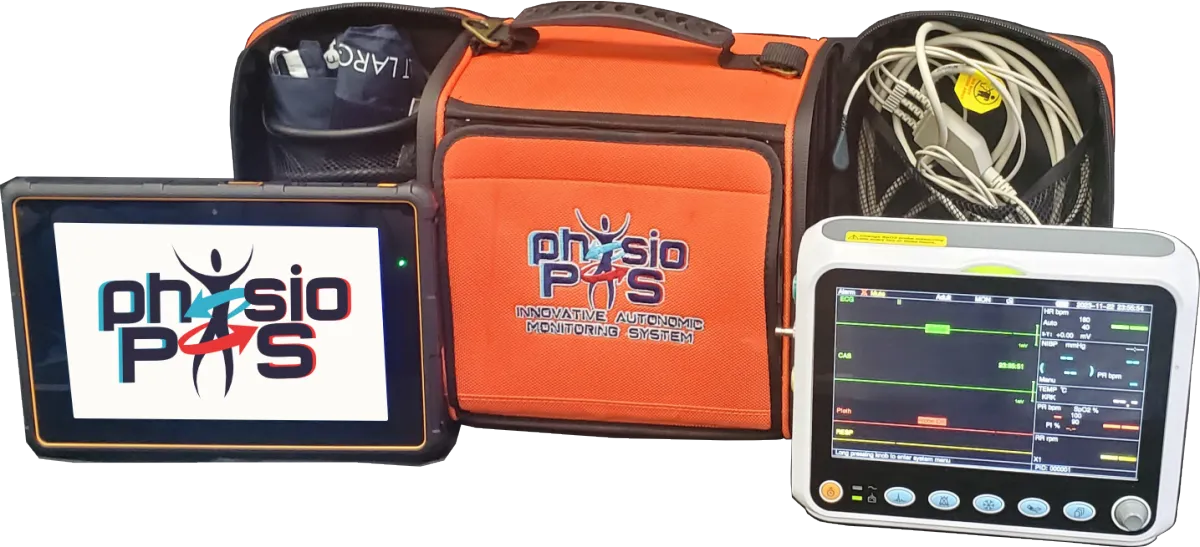
Bring The Best ANS Test on the go
Improve quality of life
Compact and Convenient
Operates with battery power
Physio PS increases revenue
Great for in-home care providers
Perfect for sports medicine
Many purchase options
Portable Autonomic Lab
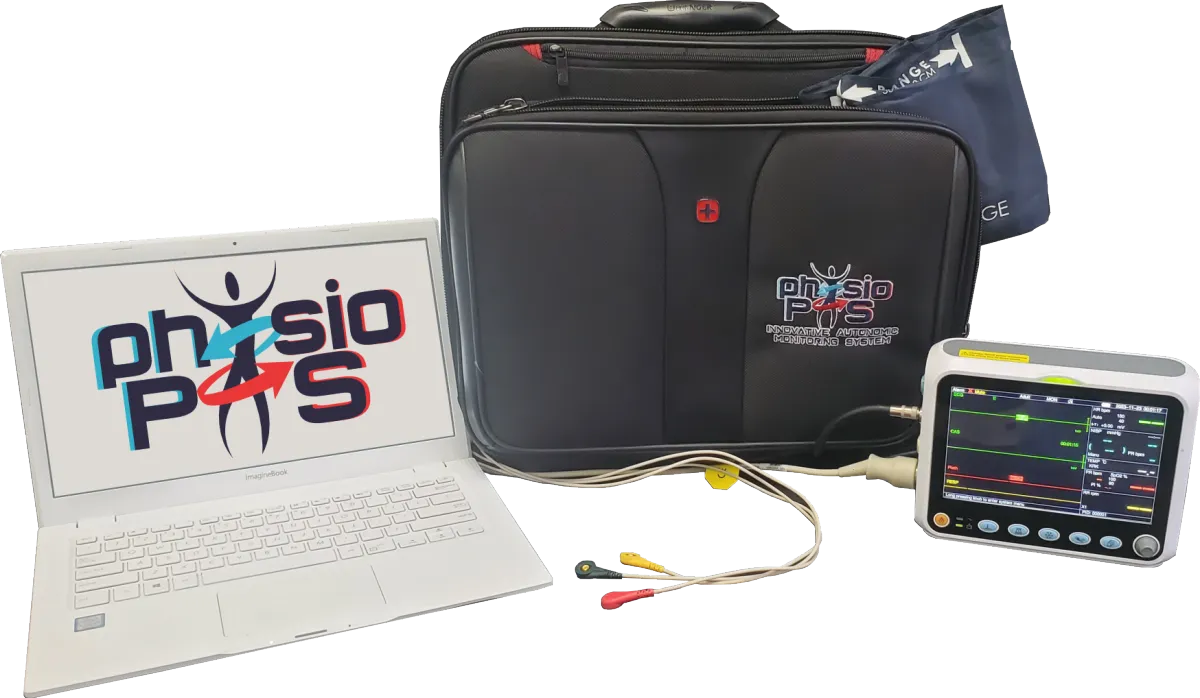
Portable & deployable
Prefect for the clinician on the go
Physio PS testing available anywhere
Multiple power options
Compact and convenient
Offer patients more personalized care
Wearable Autonomic Lab
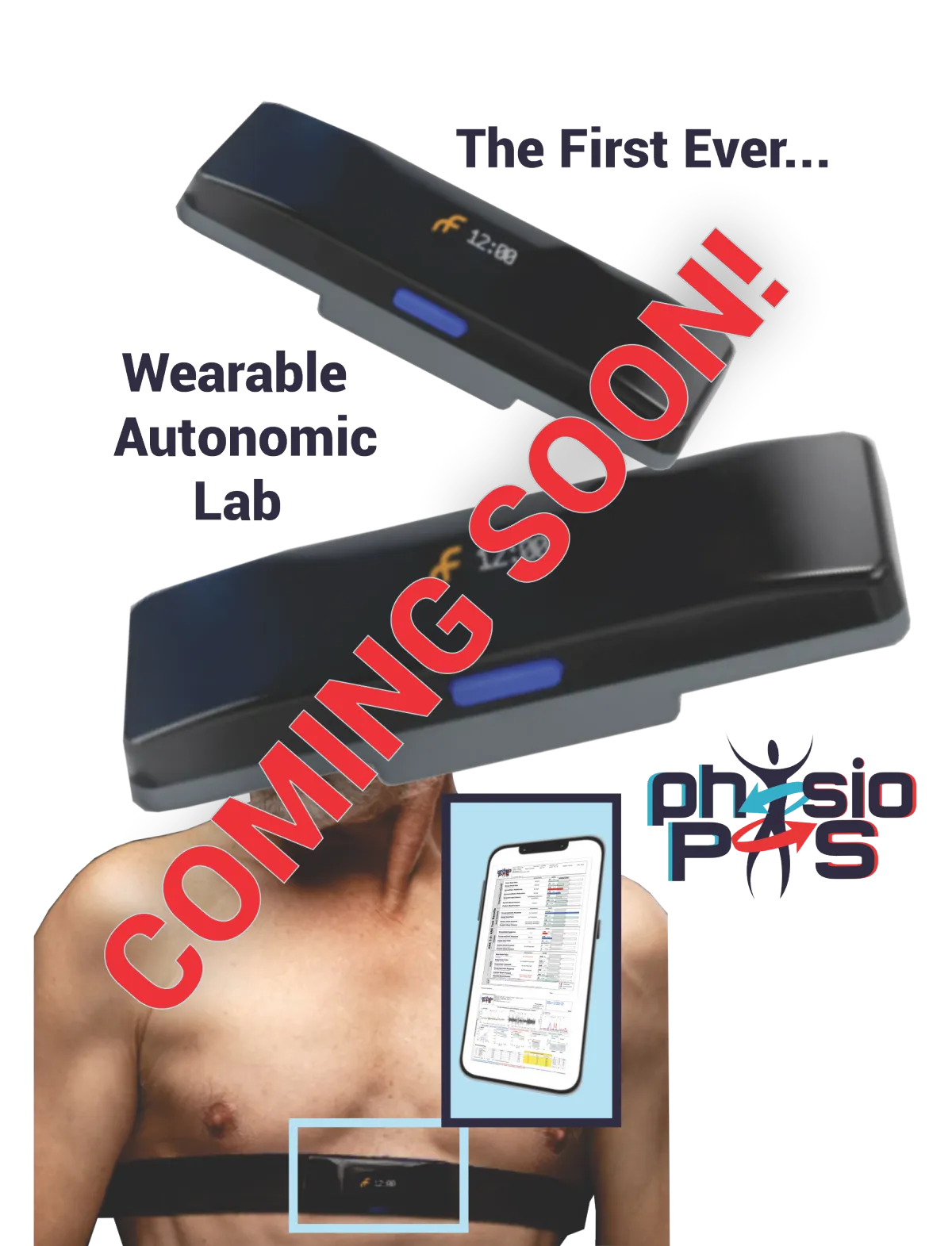
Coming soon!
Portable & deployable
Physio PS testing available anywhere
Compact and convenient
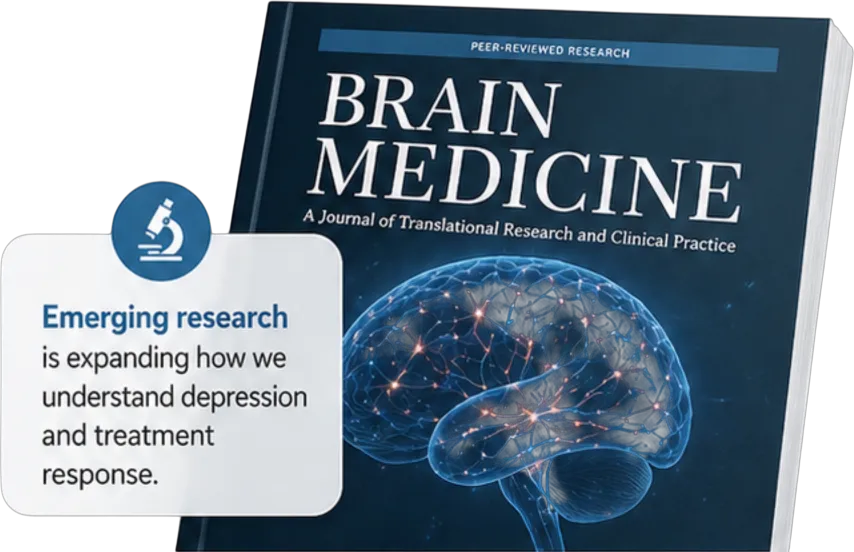
Emerging research
published in
Brain Medicine
points to a
different perspective.
“Treatment-resistant depression may reflect underlying autonomic dysfunction rather than medication failure.”
When symptoms persist, it may point to underlying physiological factors that aren’t being evaluated.
The next step isn’t always more medication... It’s asking better clinical questions.
It may be time to look deeper
Identify overlooked drivers
Improve patient outcomes
Expand your clinical approach
Emerging research
published in
Brain Medicine
points to a
different perspective.
“Treatment-resistant depression may reflect underlying autonomic dysfunction rather than medication failure.”
~ Brain Medicine, DOI: 10.61373/bm026r.0024
When symptoms persist, it may point to underlying physiological factors that aren’t being evaluated, physiological factors. Indicating more information is needed.
Research published in Brain Medicine highlights a different perspective: For some patients, symptoms may not stem from brain chemistry alone…
The next step isn’t always more medication... It’s looking for more information... Physio can provide additional information.
It may be time to look deeper
Identify overlooked drivers
Improve patient outcomes
Expand your clinical approach
The Clinical Gap
Are we only treating the symptoms…
while overlooking the system behind them?
A significant subset of patients diagnosed with depression do not respond to standard therapies.
They are often labeled “treatment-resistant,” leading to medication escalation rather than deeper investigation.
Emerging evidence suggests something important:
In many of these patients, the issue may not originate in brain chemistry alone.
Instead, it may involve dysfunction in the autonomic nervous system—the system responsible for regulating the body’s most critical moment-to-moment functions, including heart rate, blood pressure, and cerebral blood flow.
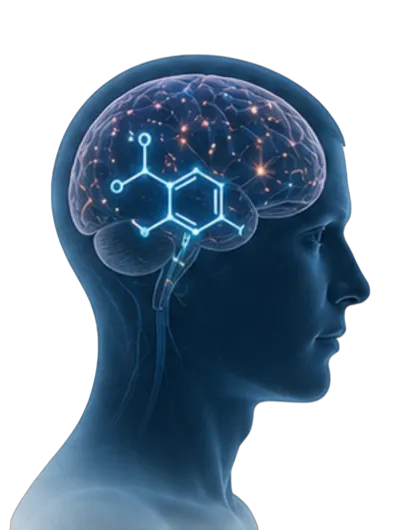
The Missing System
The Autonomic Nervous System
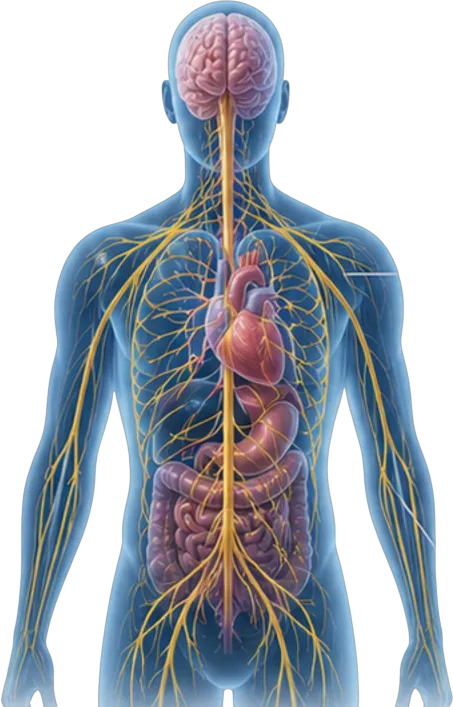
The brain does not function in isolation.
It depends on stable physiological regulation to receive consistent oxygen and nutrient delivery.
When autonomic function is impaired:
Cerebral blood flow can become inconsistent
Oxygen and nutrient delivery may be disrupted
Neurological performance can decline
The result?
Symptoms that closely resemble depression:
Fatigue
Low mood
Cognitive slowing
Brain fog
In these cases, the presentation is psychiatric—
but the driver may be physiological.
Measuring symptoms may not be enough... The Autonomic Nervous System is an underlying system that provides more information when measured.
The Clinical ImplicationS
This raises a critical question for providers:
If the underlying issue is dysregulation… can symptom-based treatment alone resolve it?
Without assessing autonomic function, clinicians may be:
Treating downstream symptoms
Missing upstream dysfunction
Escalating treatment without identifying cause
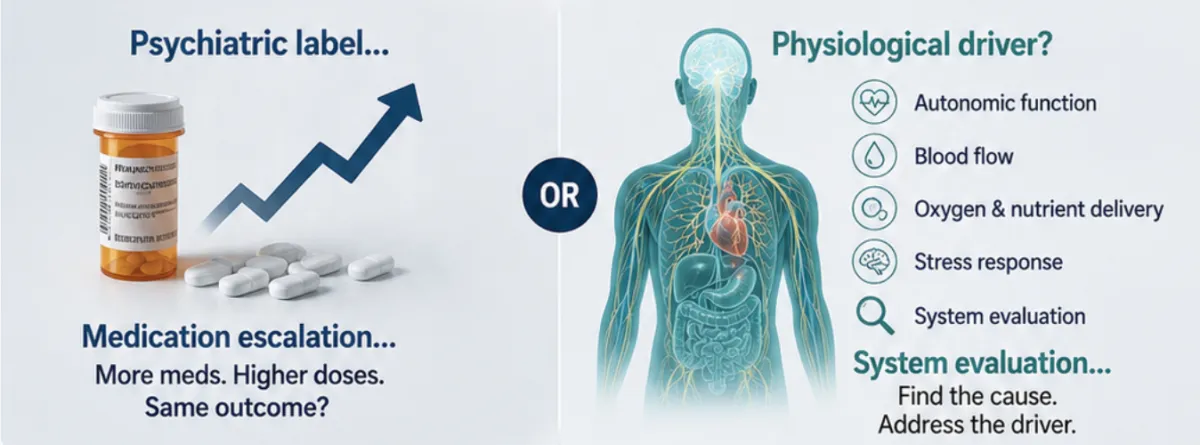
Why Autonomic Testing Matters
Because without measurement, the system remains invisible.
Autonomic testing enables you to:
Evaluate real-time physiological regulation
Detect patterns of dysautonomia
Understand how the body is influencing brain function
This is not replacing behavioral health. It’s refining it.
The Opportunity for Precision
The Brain Medicine findings highlight that autonomic dysfunction is measurable, identifiable, and clinically relevant in a subset of patients with persistent depressive symptoms.
When treatment isn’t working, the next step matters.
Not every case is purely chemical.
Not every non-response is resistance.
Not every solution is more medication.
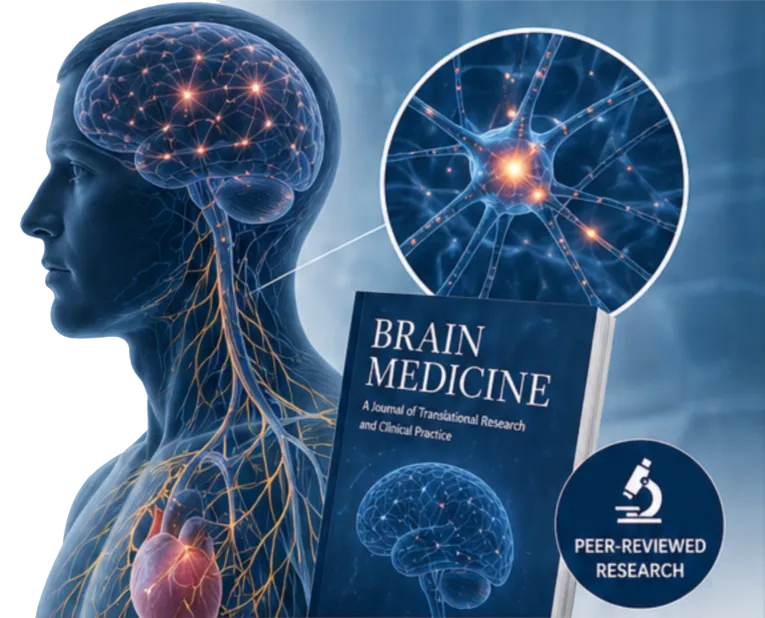
Measuring symptoms may not be enough... The Autonomic Nervous System is an underlying system that provides more information when measured.
REFRAME THE DECISION
Not every case is purely chemical.
Not every non-response is resistance.
Not every solution is more medication.
We currently offer three system configurations for administering ANS function testing.
Solutions Simplified For All
Clinical Monitoring Unit
The perfect addition to any clinic
Offer your patients greater insight
Enhance preventive health measures
Physio PS increases revenue
Many purchase options
FDA 510(k) Cleared
Supported by fundable billing codes
Research options available
Remote Monitoring Unit
Bring The Best ANS Test on the go
Improve quality of life
Compact and Convenient
Operates with battery power
Physio PS increases revenue
Great for in-home care providers
Perfect for sports medicine
Many purchase options
Portable Autonomic Lab
Portable & deployable
Prefect for the clinician on the go
Physio PS testing available anywhere
Multiple power options
Compact and convenient
Offer patients more personalized care
Wearable Autonomic Lab
Coming soon!
Portable & deployable
Physio PS testing available anywhere
Compact and convenient
Testimonials
Sean O. Flannagan
PT, DPT, Cert. SMT, Cert. DN, MAACP

Physio PS has been a gamechanger in uncovering the hidden autonomic dysfunctions that often underlie chronic fatigue, persistent pain, anxiety symptoms, and delayed recovery after whiplash and concussion. It’s given us answers when nothing else could — and a clear path to true healing.
Heather Bloom
MD, FACC, Director of Cardiac Electrophysiology, Atlanta VAMC Associate Professor, Emory University School of Medicine
As a VA Electrophysiologist, I’ve used ANSAR’s Parasympathetic and Sympathetic Monitoring for years with outstanding results. It delivers diagnostic insights no other tool can provide. One case—a Navy SEAL suffering from severe dizziness and disability—was accurately diagnosed and effectively treated using ANSAR technology, after traditional tests failed. The patient regained his health, quality of life, and independence. This tool is a game-changer for patient care and healthcare efficiency.
Michael Stopyra
I cannot say enough good things about Physio PS! This technology has done so much for me. I used to have terrible anxiety storms that would cause me to have high fevers. With this simple test, my doctor was able to find the root cause of my symptoms and prescribe a very low-dose medicine for about nine months to correct the primary problem. I have not had a high fever in four years!
Location: 80 Nashua Rd Building C Unit G1, Londonderry NH 03053
Call (603) 287-1817
Email: [email protected]
Site: physiops.com
